Selasa, 24 Agustus 2010

Singapore's Satay

Satay is one of the earliest foods to be associated with Singapore; it has been associated with the city since the 1940s. Previously sold on makeshift roadside stalls and pushcarts, concerns over public health and the rapid development of the city led to a major consolidation of satay stalls at Beach Road in the 1950s, which came to be collectively called the Satay Club. They were moved to the Esplanade Park in the 1960s, where they grew to the point of being constantly listed in tourism guides.

Open only after dark with an "al fresco" concept, the Satay Club defined how satay is served in Singapore since then, although they are also found across the island in most hawker stalls, modern food courts, and upscale restaurants at any time of the day. Moved several times around Esplanade Park due to development and land reclamation, the outlets finally left the area permanently to Clarke Quay in the late 1990s to make way for the building of the Esplanade - Theatres on the Bay.

Several competing satay hotspots have since emerged, with no one being able to lay claim to the reputation the Satay Club had at the Esplanade. While the name has been transferred to the Clarke Quay site, several stalls from the original Satay club have moved to Sembawang in the north of the city. The satay stalls which opened at Lau Pa Sat are popular with tourists. Served only at night when Boon Tat Street is closed to vehicular traffic and the stalls and tables occupy the street, it mimics the open-air dining style of previous establishments.

Other notable outlets include the ones at Newton Food Centre, East Coast Park Seafood Centre and Toa Payoh Central.

The common types of satay sold in Singapore include Satay Ayam (chicken satay), Satay Lembu (beef satay), Satay Kambing (mutton satay), Satay Perut (beef intestine), and Satay Babat (beef tripe).

Singapore’s national carrier, Singapore Airlines, also serves satay to its First and Raffles Class passengers as an appetizer.

Source: www.wikipedia.com


See also: sate, ice cream, seafood


Label: , ,

Senin, 16 Agustus 2010

Kinds of Pasta

Pasta comes in an astonishing variety of shapes, some of which are common throughout Italy, and some of which are limited to a particular region, or even town. There are also specialty shapes produced by individual pasta makers.

Taken as a whole, pasta can be divided into pasta di semola di grano duro, made from durum wheat flour, water, and a little salt, and pasta all'uovo, which is made from eggs, flour, and salt. Commercial pasta all'uovo is generally made with durum wheat flour, which gives it a firmer texture and means it won't go soft if it's overcooked slightly (all pasta will become flabby if seriously overcooked). Homemade pasta is, on the other hand, generally made with cake flour, which has less gluten. Therefore, the cooking time of home made pasta all'uovo is more critical; if you leave it in the water too long it will become flabby.

Commercially made pasta can be divided into several basic kinds:

Sheet Pasta: Used primarily in making baked dishes. Often but not always all'uovo, with eggs.

  • Cannelloni, also known as manicotti, and a pepper-and-ricotta filling.

  • Lasagna: Square or rectangular sheets of pasta, which are cooked, interlayered with other ingredients and baked. There are many many variations.

Strips: Fettuccine, Linguini, tagliatelle, and so on. The broader strips are generally used for thick-to-chunky sauces, whereas the thinner strips are also used for creamier, though never really liquid sauces. Most of these pastas are made with egg, and will say all'uovo on the package.

  • Pappardelle Broad strips, and a chunky tomato-mackerel sauce for them.

  • Reginette Wavy-edged half-inch wide strips of pasta samed after Princess Mafalda of Savoy, which work quite well with rich sauces, and a pheasant breast sauce, that can also be made with duck or Guinea hen.

  • Tagliatelle Quarter-inch strips of pasta, and a tomato and chicken breast sauce.

  • Tagliatelline or Fettuccine Fine (1/8 of an inch) strips, and a smoked salmon sauce for them.

  • Tagliolini All'Uovo The finest of strips, and a creamy mascarpone sauce for them.

Source: www.italianfood.about.com

See also: ice cream, seafood, dim sum

Label: , ,

Jumat, 13 Agustus 2010

Review From Member3

halo guys,,
numpang review yah sesepuh OpenRice..

kali ini sepulang ngantor, gw bertiga bareng temen2 mampir ke restoran marimar yang ada di daerah sunter, restoran ini terbilang cukup baru di sunter ini, tadinya resto ini hanya ada di daerah gading dan muara karang,

restorant ini terdapat 2 lantai, dan juga ada VIP room nya di lantai 2,,
saat masuk k resto ini, sudah cukup ramai pengunjung, namun pelayan di sini ramah2 bgt, kita di pandu ke meja yg masih kosong,, two thumbs up buat pelayanannya.

kita semua memesan..

paketan ayam bakar [recommended]
bagi yg sangat laper, cocok bgt mesen menu satu ini, komplit bgt bro "liat aja fotonya", ayamnya gede bgt, dan gurih, sambelnya yg bikin ketagihan bgt.. di jamin keyang bgt deh loe..

sop buntut
kalo menurut gw sop buntutnya standart yah,, sama seperti sop buntut kebanyakan di resto lain, dari segi harganya cukup murah jg c. gw lupa harga pastinya brp.

gado-gado thai
gw cuman icip sedikit doank menu tmen gw ini, ga tau lidah gw salah apa memang gado-gado thai tuh rasanya seperti itu.. kalo menurut gw rasanya jauh dari yg namanya gado-gado kebanyakan yg kita ketahui, rasanya lebih seperti asinan yg di taburi kacang di atasnya sampai tertutup, isinya sayur2an semua, gada lontongnya..
tp rasanya seger bgt, enak dan gurih,, cocok buat yg vegetarian.

inget ade gw td minta di bungkusin makanan, jadi gw nambah mesen nasi kotak ayam rendang. kalo yg ini gw ga cobain rasanya seperti apa, soalnya langsung di abisin ama ade gw.. hehehe

Source: www.openrice.com

See also: sate, ice cream, soto

Label: , ,

Rabu, 11 Agustus 2010

Candy Expo

Candy. Dengar kata ini malah ingat film kartun Candy-candy dengan tokoh ceria meskipun nasibnya tak jauh dari cerita sedih. Samakah candy sebagai tokoh cerita dan candy yang bisa diemut? Tentu saja jauh berbeda, meskipun rasanya sama-sama manis untuk disimak. Jenis permen beragam, mulai dari ragam rasa, bentuk dan bahan pembuatnya. Siapa yang tidak tahu apa itu permen? Mulai dari anak-anak hingga orang dewasa semua mengenal permen. Bisa dikatakan, semua orang tumbuh bersama permen. Kerapkali permen menjadi reward untuk sebuah prestasi gemilang anak-anak. Serta penghilang stres atau rasa mual bagi orang dewasa. Sadar akan pentingnya benda kecil manis ini dalam kehidupan, diadakanlah Candy Expo. (Ratih)


Candy Expo pada tanggal 7- 17 Agustus 2010 di depan Mitra 10 Gading Serpong searah ke Universitas Multimedia Nusantara, di sebelah pasar Modern Paramount Serpong dari pukul 09.00- 21.00 WIB ini akan menghadirkan beragam tampilan permen menarik serta games-games seru untuk diikuti.


Pameran pertama di Indonesia produk candy, chocolate, ice cream, cake, bakery,snack, donuts.

Pameran akan diikuti lebih dari 200 stand dan tiket hanya disediakan untuk 100.000 pengunjung. Harga tiket Rp 25.000,- bisa didapatkan di seluruh Toko Buku Gramedia sejabodetabek dan di pasar modern paramount. Harga tiket khusus mahasiswa dan pelajar hanya Rp 10.000,- dan hanya bisa dibeli di lokasi pameran.

Perusahaan yang terdaftar : School of Chocolate (TULIP), Silverqueen, Yupi Jelly, Mayora, Walls, Campina, Du Fountain Choco, Chocololy.

Di pameran akan dihadirkan air terjun coklat setinggi 6 meter, taman yang terbuat dari jelly dan lolipop, serta miniatur coklat batang, yang akan dimasukkan ke rekor MURI. Banyak games yang akan diselenggarakan seperti mandi permen, all u can eat coklat, sumpit permen, mengemut lolipop tercepat, dan lainnya.

So, don't miss it! (Sumber: www.goorme.com)

See also: tamani, marzano

Label: , ,

Selasa, 03 Agustus 2010

Ice cream in US

United States

In the United States, ice cream made with just cream, sugar, and a flavouring (usually fruit) is sometimes referred to as "Philadelphia style"ice cream. Ice creams made with eggs, usually in the form of frozen custards, are sometimes called "French" ice creams or traditional ice cream.

American federal labeling standards require ice cream to contain a minimum of 10% milk fat (about 7 grams (g) of fat per 1/2 cup [120 mL] serving), 20% total milk solids by weight, to weigh no less than 4.5 pounds per gallon (in order to prevent consumer fraud by replacing ingredients with air), and to contain less than 1.4% egg yolk solids. Federal government regulations pertaining to the process of making ice cream, allowable ingredients, and standards, may be found in Part 135 of Title 21 of the Code of Federal Regulations.

Ice cream is an extremely popular dessert in the United States. Americans consume about 15 quarts (more than 13 liters) of ice cream per person per year — the most in the world. As a foodstuff it is deeply ingrained into the American psyche and has been available in America since its founding in 1776: there are records of Thomas Jefferson serving it as a then-expensive treat to guests at his home in Monticello. In American supermarkets it is not uncommon for ice cream and related products to take up a wall full of freezers.

Although chocolate, vanilla, and strawberry are the traditional favorite flavors of ice cream, and once enjoyed roughly equal popularity, vanilla has grown to be far and away the most popular, most likely because of its use as a topping for fruit based pies and its use as the key ingredient for milkshakes. According to the International Ice Cream Association (1994), supermarket sales of ice cream break down as follows: vanilla, 28%; fruit flavours, 15%; nut flavours, 13.5%; candy mix-in flavours, 12.5%; chocolate, 8%; cake and cookie flavours, 7.5%; Neapolitan, 7%; and coffee/mocha, 3%. Other flavours combine for 5.5%. Sales in ice cream parlors are more variable, as new flavours come and go, but about three times as many people call vanilla their favorite than chocolate, the runner-up.

Source: www.wikipedia.com

See also: cake, Tamani

Label: , ,

Senin, 02 Agustus 2010

Cafe Kita Disini

A café or coffee shop is an informal restaurant with full-service tables and counters and broad menu offerings over extended periods of the day. In hotels, the coffee shop is a more popular-priced alternative to the formal dining room. Coffee shops often encourage families and provide special menus for children. To establish a family-friendly atmosphere, in many localities they do not serve wine and beer.

Notes

The most common English spelling, café, is the French spelling, and was adopted by English-speaking countries in the late 19th century. As English generally makes little use of diacritical marks, anglicisation includes a tendency to omit them, especially in less pretentious contexts. Thus the spelling cafe has thus become very common in English-language usage throughout the world, especially for the less pretentious, ie "greasy spoon" variety (although orthographic proscriptivists often disapprove of it). The Italian spelling, caffè, is also sometimes used in English. In southern England, especially around London in the 1950s, the French pronunciation was often facetiously altered to /ˈkæf/ and spelt caff.

The English words coffee and café both descend from the continental European translingual word root /kafe/, which appears in many European languages with various naturalized spellings, including Italian (caffè); Portuguese and Spanish (café); French (café); German (Kaffee); Polish (kawa); Ukrainian (кава, 'kava'); and others. European awareness of coffee (the plant, its seeds, the beverage made from the seeds, and the shops that sell the beverage) came through Europeans' contact with Turkey, and the Europeans borrowed both the beverage and the word root from the Turks, who got them from the Arabs. The Arabic name qahwa (قهوة) was transformed into kaweh (strength, vigor) in the Ottoman Empire, and it spread from there to Europe, probably first through the Mediterranean languages (Italian, Spanish, French, Catalan, etc.) and thence to German, English, and others, though there is another well-based theory that it first spread to Europe through Poland and Ukraine, through their contacts with the Ottoman Empire.

Source: www.wikipedia.com

See also: ice cream, sate

Label: , ,

Kamis, 15 Juli 2010

Cake from Japan

Castella (カステラ, Kasutera?) is a popular Japanese sponge cake made of sugar, flour, eggs, and starch syrup, very common at festivals and as a street food.

Now a specialty of Nagasaki, the cake was brought by way of Portuguese merchants in the 16th century. The name is derived from Portuguese Pão de Castela, meaning "bread from Castile". Castella cake is usually sold in long boxes, with the cake inside being approximately 27cm long. It is somewhat similar to Madeira cake, also associated with Portugal, but its closest relative is pão-de-ló, also a Portuguese cake.

Note that there are similar types of sponge cakes named after the same fashion, in French: Pain d'Espagne, in Italian: Pan di Spagna, in Portuguese: Pão de Espanha, in Greek: Pantespani (Castile is a former kingdom of Spain comprising its central provinces, thus Pain d'Espagne and other variants are quasi-synonymous to "bread from Castile").

History


A peach castella


Pão-de-ló: kasutera's Portuguese ancestor


Detailed view of a Nagasaki-bought Castella cake

In the 16th century, the Portuguese reached Japan, and soon started trade and missionary work. Nagasaki was then the only Japanese port open for foreign commerce. The Portuguese introduced many then-unusual things, such as guns, tobacco, and pumpkins—and castella. It was able to be preserved for a long period of time, and so was useful for the sailors who were out on the sea for months. In the Edo Period, in part due to the cost of sugar, it was an expensive dessert. When the Emperor of Japan's envoy was invited, the Tokugawa Shogunate presented the Castella.[1] Over the years, the taste changed to suit Japanese palates.

Varieties

Castella is made of natural ingredients, so its simple taste is a favorite of many Japanese people. There are now many varieties made with ingredients such as powdered green tea, brown sugar, and honey. They may be molded in various shapes; a popular Japanese festival food is baby castella, a bite-sized version.


Source: www.wikipedia.com

See also: ice cream, cafe


Label: , ,

What is ice cream?

Ice cream or ice-cream is a frozen dessert usually made from dairy products, such as milk and cream, and often combined with fruits or other ingredients and flavours. Most varieties contain sugar, although some are made with other sweeteners. In some cases, artificial flavourings and colourings are used in addition to (or in replacement of) the natural ingredients. This mixture is stirred slowly while cooling to prevent large ice crystals from forming; the result is a smoothly textured ice cream.

The meaning of the term ice cream varies from one country to another. Terms like frozen custard, frozen yogurt, sorbet, gelato and others are used to distinguish different varieties and styles. In some countries, like the USA, the term ice cream applies only to a specific variety, and their governments regulate the commercial use of all these terms based on quantities of ingredients. In others, like Italy and Argentina, one word is used for all the variants. Alternatives made from soy milk, rice milk, and goat milk are available for those who are lactose intolerant or have an allergy to dairy protein, or in the case of soy and rice milk, for those who want to avoid animal products.

Source: www.wikipedia.com

See also: cake, cafe


Label: , ,

Senin, 12 Juli 2010

Bizzare Foods

Bizarre Foods with Andrew Zimmern is a documentary-styled travel and cuisine program hosted by Andrew Zimmern on the Travel Channel. The first season debuted on Monday, February 26, 2007 at 9pm ET/PT. Season 5 began on Monday, April 26, at 10 E/P.

Bizarre Foods focuses on regional cuisine from around the world which is typically perceived by Americans as being gross, unique, or, of course, bizarre. In each episode, Zimmern focuses on the cuisine of a particular country or region. He typically shows how the food is procured, where it is served, and, usually without hesitation, eats it.

Originally a one-hour documentary titled Bizarre Foods of Asia, repeated showings on the Travel Channel drew consistent, considerable audiences. In late 2006, it was decided to turn the documentary into a weekly, one-hour show with the same premise and with Andrew Zimmern as the host. In 2009, Zimmern took a break from Bizzare Foods to work on a season of the spin-off Bizarre World which will not be airing anymore.

Zimmern ends every episode with his line "If it looks good, eat it."

Source: www.wikipedia.com

See also: cake, cafe, ice cream

Label: , ,

Minggu, 20 Juni 2010

Telur

Telur adalah salah satu bahan makanan hewani yang dikonsumsi selain daging, ikan dan susu. Umumnya telur yang dikonsumsi berasal dari jenis-jenis burung, seperti ayam, bebek, dan angsa, akan tetapi telur-telur yang lebih kecil seperti telur ikan kadang juga digunakan sebagai campuran dalam hidangan (kaviar). Selain itu dikonsumsi pula juga telur yang berukuran besar seperti telur burung unta (Kasuari) ataupun sedang, misalnya telur penyu. Sebagian besar produk telur ayam ditujukan untuk dikonsumsi orang tidak disterilkan, mengingat ayam petelur yang menghasilkannya tidak didampingi oleh ayam pejantan. Telur yang disterilkan dapat pula dipesan dan dimakan sebagaimana telur-telur yang tidak disterilkan, dengan sedikit perbedaan kandungan nutrisi. Telur yang disterilkan tidak akan mengandung embrio yang telah berkembang, sebagaimana lemari pendingin mencegah pertumbuhan sel-sel dalam telur.
sumber: wikipedia
lihat juga: restaurant, restoran, cafe,

Label: , , , , , , , , , , , , , , , , , , ,

Kamis, 17 Juni 2010

Pasta

Pasta adalah makanan olahan yang digunakan pada masakan Italia, dibuat dari campuran tepung terigu, air, telur, dan garam yang membentuk adonan yang bisa dibentuk menjadi berbagai variasi ukuran dan bentuk. Pasta dijadikan berbagai hidangan setelah dimasak dengan cara direbus. Di Indonesia, jenis pasta yang populer misalnya spageti, makaroni dan lasagna.

Dalam bahasa Inggris, pasta adalah sebutan untuk berbagai jenis masakan dengan bahan utama salah satu jenis pasta yang diberi bumbu dan saus. Pasta berasal dari bahasa Italia "pasta alimentare" yang berarti adonan bahan makanan. Dalam arti luas, "pasta" bisa berarti semua adonan seperti adonan roti, pastry, atau cake. Dalam bahasa Italia, pasta yang berarti bahan makanan seperti mi disebut pastasciutta.

Pasta dibuat dari tepung terigu semolina yang merupakan hasil gilingan biji gandum durum dicampur telur sehingga sedikit berwarna kuning cerah, dan bila dimasak dengan benar akan menghasilkan tekstur sedikit kenyal. Pasta buatan Amerika sering dibuat dari campuran tepung terigu Farina dan Semolina, sehingga mempunyai tekstur yang lebih lembut untuk dijadikan hidangan seperti kaserol.

Di luar negara asalnya di Italia, pasta biasanya dijual di dalam kemasan dalam bentuk kering. Pasta kering dibuat di pabrik dengan menggunakan mesin ekstrusi yang mendorong keluar adonan pasta melalui lubang-lubang saringan. Bentuk-bentuk pasta yang lain diperoleh dengan menggiling adonan pasta menjadi lembaran yang kemudian dipotong-potong atau dicetak.

Pasta segar buatan rumah tangga dan restoran dibentuk dengan tangan beberapa saat sebelum pasta direbus. Pasta segar memerlukan waktu masak yang singkat, namun pasta segar tidak tahan lama disimpan karena memiliki kadar air yang tinggi. Pasta kering bisa tahan lama disimpan hingga 3 tahun atau lebih karena hanya memiliki kandungan air sebanyak 10%. Pasta yang sudah dimasak dan tinggal dipanaskan dengan oven microwave juga sering dijumpai di bagian makanan beku pasar swalayan.
sumber: wikipedia
lihat juga: restaurant, restoran, cafe

Label: , , , , , , , , , , , , ,

Rabu, 16 Juni 2010

Sukiyaki

Sukiyaki (すき焼き, スキヤキ ?) adalah irisan tipis daging sapi, sayur-sayuran, dan tahu di dalam panci besi yang dimasak di atas meja makan dengan cara direbus. Sukiyaki dimakan dengan mencelup irisan daging ke dalam kocokan telur ayam.

Sayur-sayuran untuk Sukiyaki misalnya bawang bombay, daun bawang, sawi putih, shungiku (nama daun dari pohon keluarga seruni), jamur shiitake, dan jamur enoki. Sebagai pelengkap ditambahkan ito konnyaku atau shirataki yang berbentuk seperti soun berwarna bening atau sedikit abu-abu.

Sukiyaki memiliki dua versi, Sukiyaki versi daerah Kansai dan Sukiyaki versi daerah Kanto yang berbeda cara penyajian, jenis bumbu dan rasa.

Menurut Sukiyaki versi Kansai, Sukiyaki hanya dimasak dengan bumbu kecap asin dan gula pasir, sedangkan Sukiyaki versi Kanto dimasak menggunakan saus Warishita yang merupakan campuran dashi, kecap asin, gula pasir, dan mirin yang dimasak terlebih dulu.

Menurut cara Kansai, potongan lemak sapi dicairkan di dalam panci sebelum memasukkan irisan daging sapi. Bumbu berupa gula pasir dan kecap asin dituangkan sekaligus dalam jumlah banyak di atas daging yang sudah matang lalu diaduk-aduk dengan sayur-sayuran hingga matang. Menurut cara Kanto, bumbu warishita dididihkan dulu di dalam panci sebelum semua bahan dimasukkan.
sumber: wikipedia
lihat juga: japanese food, sushi, ramen, makanan

Label: , , , , , , , , , , , , ,

Selasa, 15 Juni 2010

Masakan Jepang Untuk Kesehatan


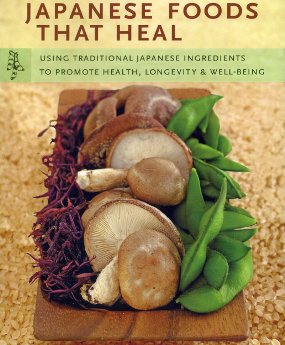
Jakarta - Masakan Jepang memang sudah populer di berbagai negara. Selain terkenal memakai bahan segar juga mempunyai cita rasa alami. Tak hanya itu bahan-bahan yang dipakai untuk memasak ternyata memiliki khasiat bagi kesehatan sejak ratusan tahun silam. Semuanya diungkap tuntas di buku yang satu ini!

Masakan Jepang memang sudah cukup terkenal sejak lama karena mengutamakan kesegaran bahan dan juga rempah-rempah pilihan yang banyak manfaatnya untuk kesehatan. Tidak hanya itu, beberapa jenis masakan masih diproses dengan cara tradisional sehingga cukup aman dari bahan-bahan tambahan yang berbahaya bagi kesehatan.

Di dalam buku Japanese Foods That Heal ini, diungkap secara rinci aneka bahan makanan yang dipakai sejak ratusan tahun silam oleh bangsa Jepang. Tak sekedar nama dan ciri-cirinya tetapi juga khasiat hebatnya bagi kesehatan.

Mulai dari miso, shoyu, jamur shiitake, mochi, tofu, mirin hingga teh Jepang. Ada juga penjelasan mengenai bahan yang masih asing di telinga kita. Sebut saja Kuzu, salah satu jenis akar-akaran seperti ginseng yang sangat baik dikonsumsi oleh para pria karena bisa membangkitkan stamina.

Disini juga dijelaskan kalau salah satu sup Jepang yang cukup terkenal, Miso, yang banyak manfaatnya bagi kesehatan. Seperti untuk mengurangi alergi, meningkatkan libido, mengurangi tekanan darah tinggi, osteoporosis dan masih banyak lagi. Bahkan bakteri baik yang terdapat didalamnya saat proses pembuatan mampu membunuh bakteri yang bersifat jahat.

Tiap cerita tentang bahan diikuti dengan resep-resep yang dibuat secara klasik dan tradisional. Setiap resep yang disajikan dalam buku ini cukup jelas dan diberikan beberapa penjelasan singkat tentang khasiat dan keunikan dari masakan tersebut. Cara membuatnya pun dijelaskan secara jelas dan mudah dimengerti bahkan untuk pemula sekalipun. Seperti Samurai Miso Soup, Creamy Curried Carrot Soup, atau Kyoto-Style Miso Soup yang mampu memulihkan tubuh yang sedang tak bersemangat.

Buku setebal 224 halaman yang ditulis oleh John & Jan Belleme ini disisipkan juga beberapa cerita tentang cara-cara pembuatan bahan-bahan yang sering digunakan dalam masakan Jepang seprti Brown Rice Syrup Melt, Umeboshi, atau acar Jepang, Amazake, dan juga Mi Jepang. Meskipun semua bahan-bahan tersebut sudah dapat dijumpai di supermarket, buku ini juga memberikan beberapa tips cara memilih bahan yang sudah jadi itu secara tepat.

Setiap uraian bahan dalam bab buku ini dilengkapi dengan penjelasan mengenai manfaat bahan buat kesehatan, bagaimana bahan dibuat secara tradisional, tips membeli bahan, cara memasak bahan plus resep-resepnya. Dengan demikian dijamin Anda tak bakal tersesat dalam memahami informasinya.

Bukan hanya ketrampilan memasak yang akan diasah tetapi juga pengetahuan bahan makanan Jepang terutama yang berkaitan dengan kesehatan juga didapat. Dengan pengantar lengkap tentang 'Food is Medicine' Anda bakal diajarkan memahami makanan sebagai obat. Jadi tak sekedar belanja bahan dan memasaknya serta rasanya enak. Makanan kembali diletakkan pada fungsi awalnya untuk menjaga kesehatan. Kalau Anda tergolong orang yang sangat teliti dalam menjaga kesehatan, buku ini layak anda miliki!

sumber: detikfood

lihatjuga: sushi, ramen, dim sum

Label: , , , , , , , , , , , , ,